
Understanding the psychology behind gambling's allure and its impact on decision-making
The Thrill of Uncertainty
The excitement associated with gambling often stems from the thrill of uncertainty. Players find themselves drawn to the unpredictability of outcomes, which can create a rush comparable to rollercoaster rides. This psychological response is deeply rooted in our evolutionary past, where unpredictability was linked to survival and resource acquisition. The unknown activates the brain’s reward systems, resulting in the release of dopamine, a neurotransmitter that plays a crucial role in pleasure and motivation. To explore online gaming further, visit the Wazamba site, which offers a vast selection of options for players.

This emotional high can lead to a desire for repeated gambling experiences, as players seek to relive that initial thrill. The anticipation of winning can sometimes overshadow the reality of losses, further enhancing the gambling allure. Cognitive biases, such as the illusion of control, allow individuals to believe they can influence random outcomes. Such biases play a significant role in decision-making, often leading players to make irrational choices driven by the lure of possible rewards.
This blend of excitement and cognitive distortion sets a stage where rational decision-making often takes a backseat. The more players engage, the stronger these psychological effects become, creating a cycle of gambling that can be hard to break. Understanding this dynamic is essential for recognizing the psychological mechanisms at play in gambling behavior.
The Role of Near Misses
Near misses are pivotal events in gambling that can significantly impact decision-making. When a player narrowly misses a winning combination—such as landing two out of three symbols on a slot machine—they often interpret this experience as a success rather than a failure. This misinterpretation can drive them to continue playing, believing that they are on the brink of a win. The excitement of a near miss activates similar brain responses as an actual win, reinforcing the behavior.
This phenomenon can contribute to what is known as the “loss chasing” behavior, where players continue to gamble in hopes of recovering their losses. The emotional highs generated by near misses create a psychological effect that encourages sustained engagement with gambling activities. Players may convince themselves that their luck is about to change, leading to further investments of time and money.
Understanding the role of near misses not only highlights the cognitive biases that impact gambling decisions but also reveals the potential for addiction. As players repeatedly experience these enticing near victories, their desire to gamble often outweighs the rational acknowledgment of losses. This insight can be crucial for developing responsible gambling initiatives and aiding those who may struggle with their gambling habits.
Sensory Overload and Environment Design
The architecture and design of casinos play a significant role in enhancing the gambling experience. Casinos are intentionally designed to create an immersive environment that stimulates the senses, making it difficult for players to leave. Features such as bright lights, cheerful sounds, and engaging visuals combine to forge an atmosphere that captures attention and fuels excitement. This sensory overload can lead to impulsive decision-making, making players more likely to spend time and money.
Moreover, the layout of casinos is meticulously planned to maximize foot traffic through gaming areas. The absence of windows and clocks further disorients players regarding time, causing them to lose track of how long they’ve been gambling. By manipulating the environment in this way, casinos create conditions that favor prolonged play and increase the likelihood of larger spending.
Recognizing these design strategies is essential for both players and regulators. Awareness of how environment influences decision-making can empower individuals to make more conscious choices while gambling. By understanding the psychological manipulation at play in casino designs, players can better navigate these spaces and approach gambling with a more informed mindset.
The Impact of Social Influences
Social factors significantly shape gambling behaviors, as individuals often engage in these activities within a community context. The presence of friends or fellow gamblers can enhance the allure of gambling, as social validation and shared experiences contribute to the excitement. The camaraderie built around gambling can create a sense of belonging, further encouraging participation. This phenomenon is particularly evident in settings like sports betting and live casino experiences, where the communal atmosphere amplifies the thrill.
Additionally, social media has revolutionized how gambling is perceived and experienced. With platforms facilitating shared moments of wins and losses, individuals may feel increased pressure to conform to gambling norms, leading to decisions influenced more by peer activities than personal interest. Such social dynamics can also normalize gambling behaviors, making them seem less risky and more socially acceptable, which may contribute to increased gambling frequency among peer groups.
Understanding the impact of social influences on gambling behavior can be critical for fostering responsible gaming. By recognizing the communal aspects that affect decision-making, individuals can better assess their motivations for gambling and how social circles impact their choices. This awareness can also help in promoting healthier gambling habits, encouraging individuals to evaluate their engagement critically.
Wazamba Casino: A Case Study in Digital Gambling
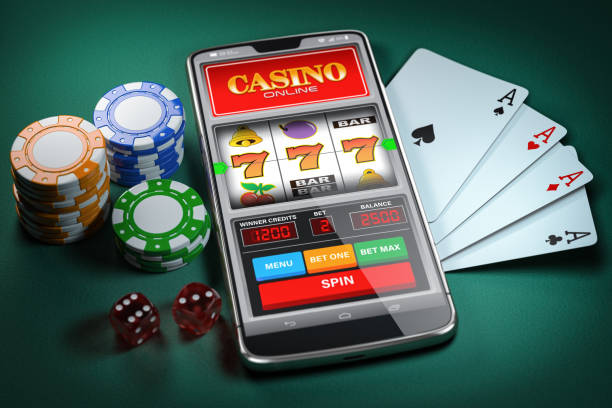
Wazamba Casino represents a modern online gaming destination that encapsulates many psychological elements discussed previously. With its extensive library of over 9,600 games, including live casino options and sports betting, it effectively capitalizes on the allure of variety and excitement. New players are particularly attracted by welcome bonuses and promotional offers, which exploit the thrill of immediate rewards and enhance decision-making in favor of participation.
The platform is designed for ease of use across devices, catering to the modern player’s preference for convenience. However, this accessibility can also lead to impulsive decisions, as players may gamble at any time and place. Wazamba’s commitment to secure transactions and responsible gaming practices reflects an understanding of the psychological pitfalls that can accompany such enticing environments.
By providing 24/7 customer support and fostering a secure gaming space, Wazamba illustrates the balance between enhancing the gambling experience and promoting responsible behavior. Understanding these dynamics can guide players in navigating the online gambling world more responsibly while enjoying the thrill it offers. As players engage with platforms like Wazamba, being informed about the psychology behind gambling will empower them to make more conscientious decisions.
Leave a Reply